
Blogs & Speeches
Why feeling powerless doesn’t mean we are powerless
Insights from Conscious Tribes – published in Good Magazine.
Published in Good Magazine (NZ)
Excerpt below:
Insights from her new book Conscious Tribes
It can feel like the problems we face are too big and we are too small. Climate change, war, inequality, authoritarian politics and the rising cost of living can all leave us with the same nagging question: what difference can one person possibly make?
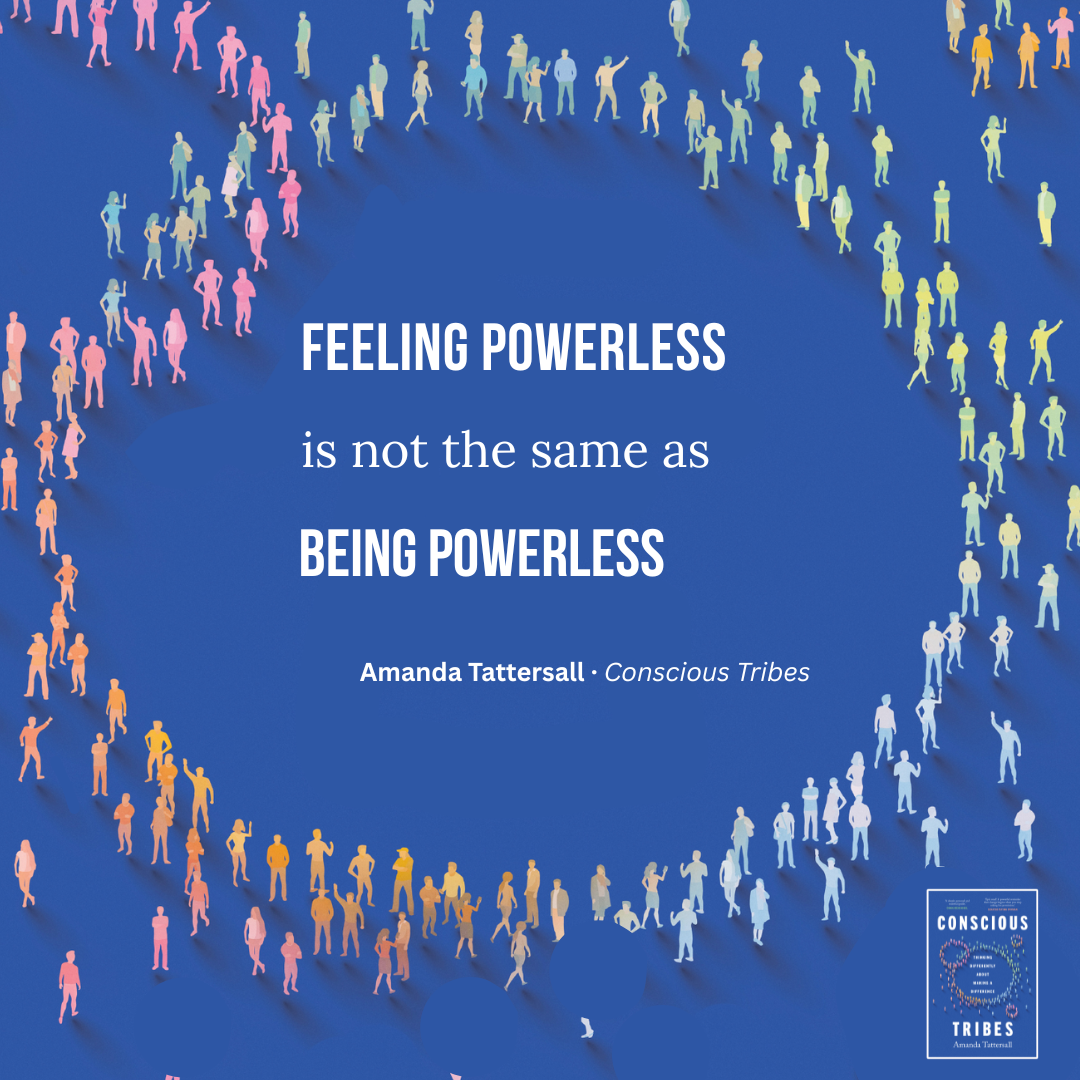
But feeling powerless and being powerless are not the same thing.
I have spent much of my working life trying to understand how people make a difference: as a co-founder of GetUp, the founder of the Sydney Alliance, and as a researcher studying social change. One thing I have learnt is that we often underestimate our own agency because we have a distorted picture of what making a difference looks like.
“When I say ‘make a difference’, I’m not just referring to majestic protest movements. Which is lucky, because if we were only counting big acts of defiance as worthy acts of agency, we might be tempted to give up! To our credit, we are far more successful at making a difference than we think. On a smaller scale, most of us can probably recall a time when we stood up for ourselves or for someone else. That is no small thing. In fact, it’s huge. Even if we have never been to a demonstration, most of us try to make a difference.
But when we think about making a difference, we tend to frame it in either big or small terms. The big story comes from popular culture and plenty of social movements and suggests that making a difference is about grappling with big injustices or leaving a big impact ‘out there’ in the world. But ‘making a difference’ is a phrase we also use to describe even the small impacts we can have on the challenges that arise in our own lives, like in a difficult situation at work or with our kids at school or closer.
Yet, too often, the big story crowds out the small one, frequently slipping into a superhero trope that suggests that you can only make a difference if someone extraordinary like Martin Luther King Jr shows up, or if you get help from a big NGO or politician.
In my experience, this big story doesn’t stand up. I have tried to make a difference not only on a big scale by setting up GetUp, but also closer to home by challenging how my autistic son was being treated in his classroom. Rather than presuming that ‘big’ and ‘small’ exist on separate planes, there is something powerful in seeing how they are related. Even at a basic level, big change is made up of repeated acts of smaller change.
I’ve learnt that, when it comes to making a difference, it’s not the size of the battle but the way you fight it that counts. Irrespective of the challenge you face, the reality is that the questions you consider, the way you build relationships, the plans you set, the reactions you seek and, indeed, the very way you think through what you need to do all have a lot in common. Sometimes, size can get in the way of seeing what works and what doesn’t work when we are thinking about how to make a difference. Size can also get in the way of what is really transferable: lessons about how we successfully make change happen.”
More work
Our collective mental health is stuffed, and its more than just a medical problem
Turning how we think about mental illness upside down to find a new way through.

Why Organizers need Mobilizers and Mobilizers need Organizers
In an “ecosystem” approach, different theories of change – like mobilizing and organizing – can reinforce and strengthen…
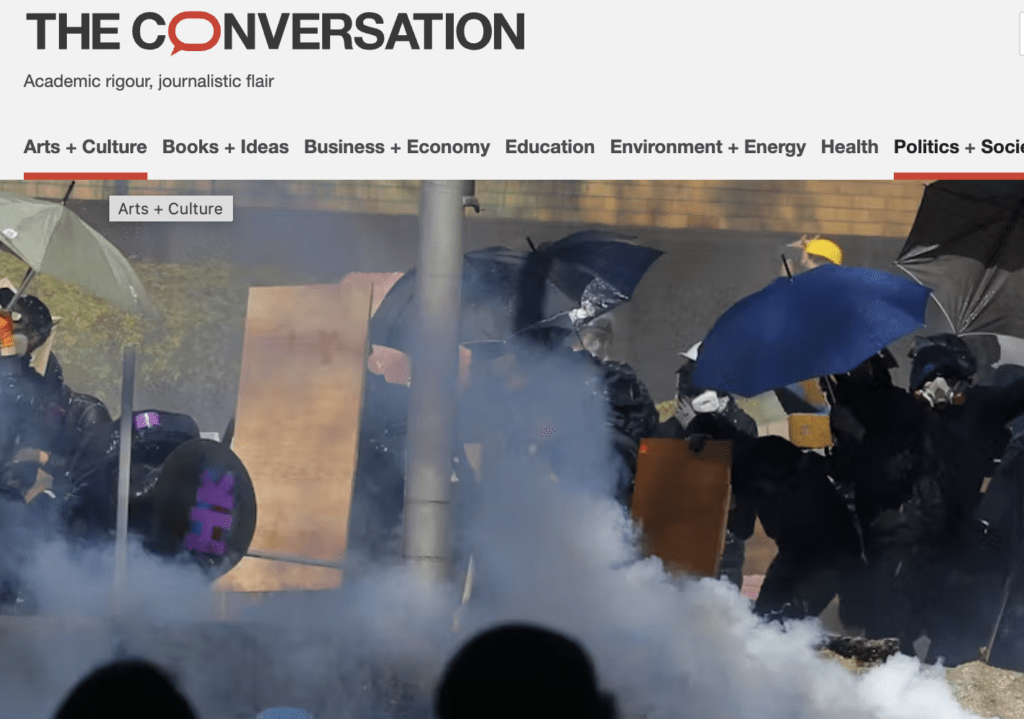
University under siege: a dangerous new phase for the Hong Kong protests
A look at the Hong Kong protests in 2019 as the contest around democracy entered the university space.