
Research
School strike for climate are leading the way: how their people power strategies are generating distinctive pathways for leadership development
Since November 2018, Australian high school climate strikers have become leaders in the movement for climate action, giving rise to a new generation of young people who have learnt how to lead change.
Since November 2018, Australian high school climate strikers have become leaders in the movement for climate action, giving rise to a new generation of young people who have learnt how to lead change. This article focuses on the question of leadership across social movements and in global youth movements. It then investigates the different forms of leadership emerging in School Striker for Climate (SS4C) through a qualitative survey of its leaders. We argue that leadership is multifaceted, shaped by the different strategies that movements use to engage people in collective action. We present three different people power strategies – mobilising, organising and playing by the rules – and explore how these different strategies generate varied pathways for leadership development. We identify the strengths and limits of each strategy, and we find that peer learning, mentoring, learning by doing, confrontation, reflective spaces and training are important leadership development tools. This article’s greatest strength comes from the positionally of us as researchers – two of us are student strikers, and the third is an active supporter, giving us a distinctively engaged perspective on a powerful movement for change.
Citation:
Tattersall A, Hinchliffe J, Yajman V. School strike for climate are leading the way: how their people power strategies are generating distinctive pathways for leadership development. Australian Journal of Environmental Education. 2022;38(1):40-56. doi:10.1017/aee.2021.23.

More work
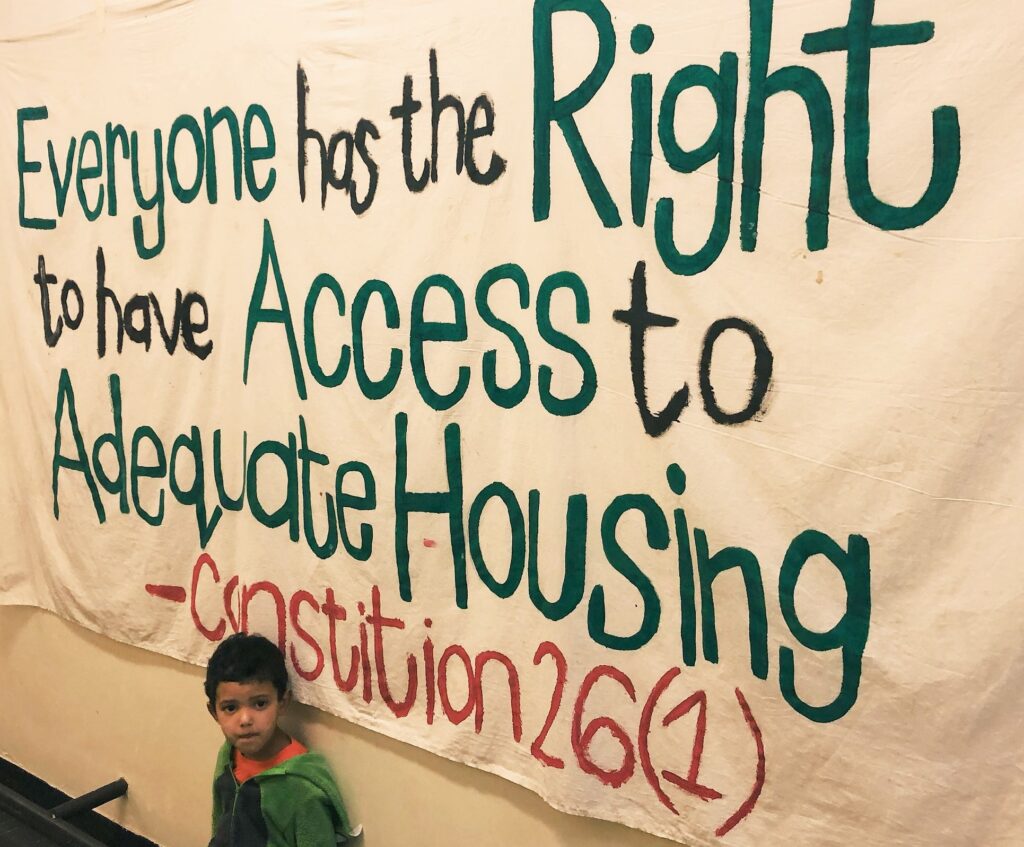
People Power Strategies in Contemporary Housing Movements.
This is a peer-reviewed article that explores different ways in which social movements and urban coalitions are seeking…
There is Power in Coalition: A framework for assessing how and when union-community coalitions are effective and enhance union power
Since November 2018, Australian high school climate strikers have become leaders in the movement for climate action, giving…

Organizing is Not a Silver Bullet
This is a peer-reviewed article that seeks to reframe community organisng – not as a superior form of…